


How Does A Laser Cutter Work? Insights from a China Manufacturer
Ever wondered how does a laser cutter work? As a manufacturer based in China, I'm excited to share the innovative technology behind our high-performance laser cutting machines. These machines utilize focused laser beams to precisely cut through various materials, making them essential for industries ranging from automotive to aerospace. With our cutting-edge design, you'll find improved efficiency and accuracy in your production processes. The laser cutter’s capability to handle intricate patterns and thick materials sets it apart from traditional methods. Plus, its adaptability means it can be used for engraving, marking, and cutting, giving you versatility in your projects. Partnering with us means not only investing in top-quality machinery but also gaining access to expert support and service. If you’re looking to enhance your manufacturing capabilities, our reliable solutions will meet your needs and exceed expectations. Let’s embark on a journey to take your production to the next level with our advanced laser cutter technology!


How Does A Laser Cutter Work Leads the Global Market Supplies the World\u2019s Top Brands
In today's competitive landscape, laser cutting technology has emerged as a game changer in various industries, from manufacturing to design. Understanding how a laser cutter works is essential for global buyers seeking innovative solutions. At its core, a laser cutter utilizes high-powered lasers to precisely ablate or melt materials, allowing for intricate designs and high-quality finishes. This process is highly efficient, reducing waste and offering rapid production speeds, making it an ideal choice for businesses looking to enhance their production capabilities. As industries evolve, so does the need for reliable and advanced laser cutting equipment. Cutting-edge manufacturers are leading the global market by offering technologically advanced machines that cater to the diverse needs of the world's top brands. The ability to cut through a wide range of materials, including metals, plastics, and wood, while maintaining precision, is driving the adoption of laser cutting technology across sectors. Global procurement professionals are keen to invest in these solutions, as they promise not only improved operational efficiency but also the flexibility to adapt to changing market demands. With advancements in laser technology and automation, buyers can expect products that are not only reliable but also equipped with smart features that enhance usability. By choosing suppliers who are at the forefront of innovation, companies can ensure they remain competitive and meet the high standards set by their customers. Engaging with leading manufacturers in the laser cutting market can open doors to new opportunities and help transform production processes in a sustainable manner.
How Does A Laser Cutter Work Leads the Global Market Supplies the World’s Top Brands
| Feature | Description | Applications | Materials Used |
|---|---|---|---|
| Precision Cutting | Laser cutters can achieve precise cuts with tolerances as tight as 0.1 mm. | Manufacturing, Prototyping, Arts and Crafts | Wood, Plastic, Metal, Fabric |
| Speed | Faster cutting speeds compared to traditional methods, increasing production efficiency. | Industrial Fabrics, Sign Making, Aerospace | Cardboard, Acrylic, Leather |
| Versatility | Can be used for cutting, engraving, and marking various materials. | Jewelry Making, Model Making, Custom Fabrication | Glass, Paper, Composites |
| User-Friendly | Many systems come with user-friendly software for easy design and operation. | Small Business, Hobbyist Projects, Educational Facilities | Vinyl, Foam, Rubber |
| Cost-Effectiveness | Reduced material wastage and lower labor costs make it economical. | Manufacturing, Advertising, Educational Materials | Metals, Ceramics, Natural Fibers |
Related Products


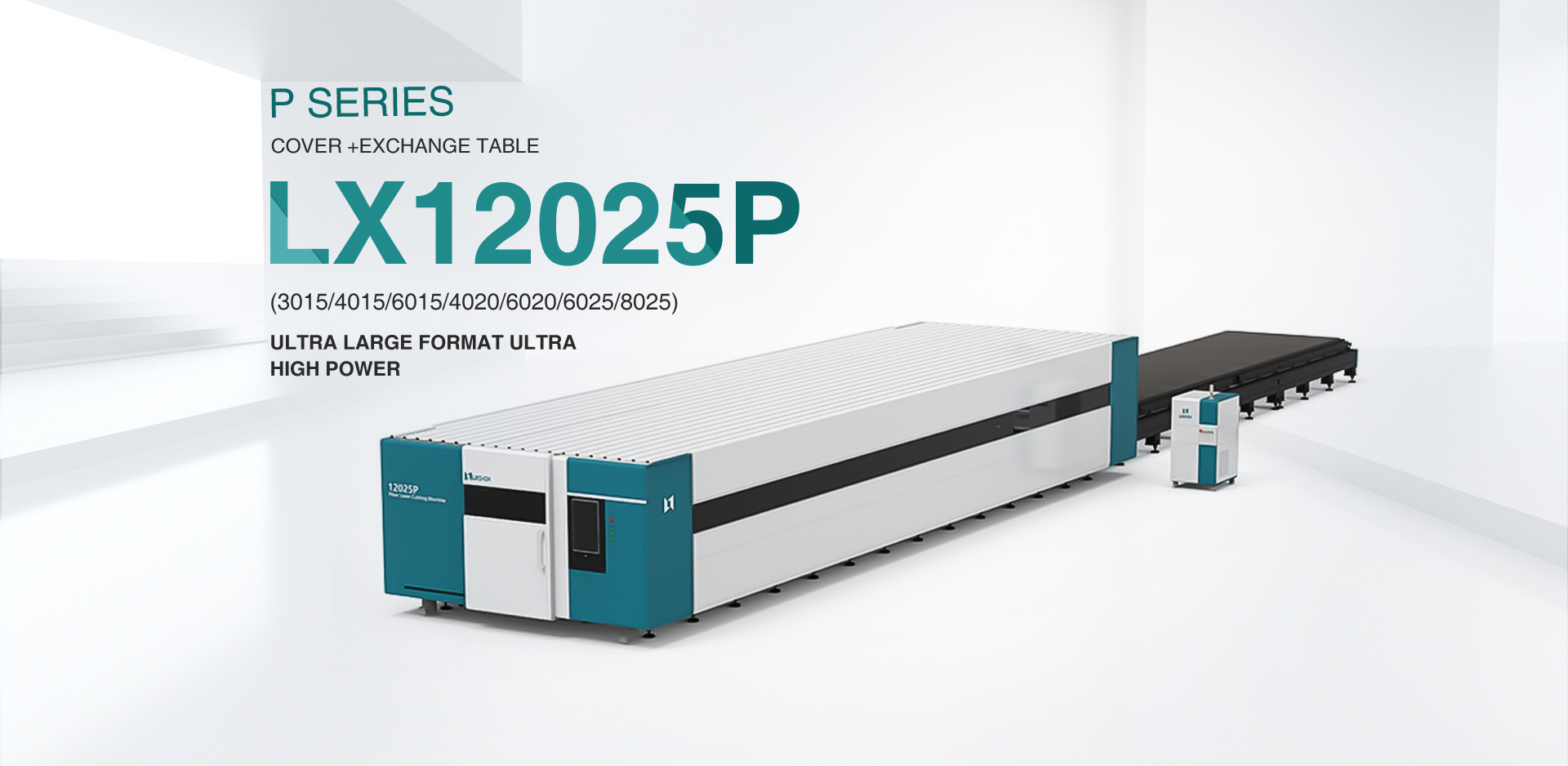
How Does A Laser Cutter Work Stands Out From Concept to Delivery
Top Selling Products




- Related Blog
- Reviews